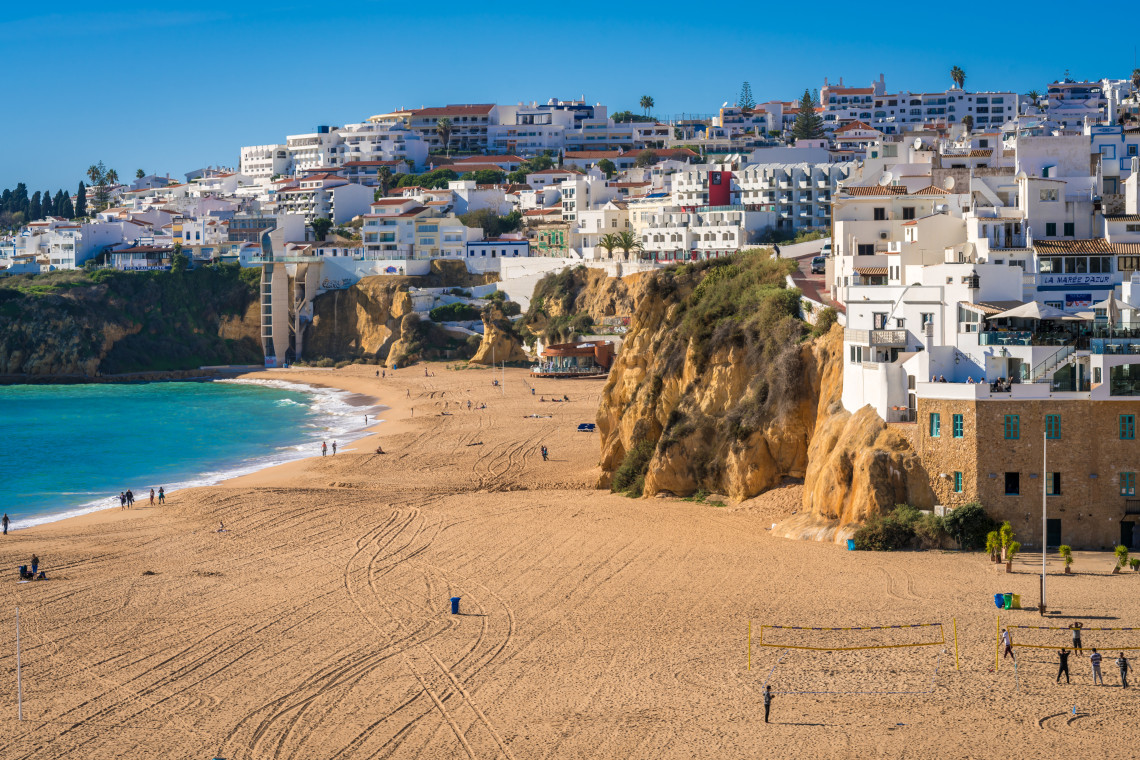
Portugal’s southern coastline has become one of Europe’s most attractive travel destinations for people searching for sunshine, dramatic scenery, and authentic local culture. While many travelers immediately think about beach resorts and ocean views, the Algarve region offers much more than crowded seaside towns. From protected lagoons and island routes to historic centers and coastal walking trails, southern Portugal combines relaxation with outdoor adventure in a way few destinations can match.
One of the best ways to experience the Algarve is to slow down and explore the region beyond the main tourist areas. Small fishing communities, traditional markets, and quiet nature reserves reveal a different side of Portugal that many visitors miss during short beach holidays. The area around Faro is especially interesting because it blends history, local culture, and easy access to one of the country’s most important natural landscapes.
Travelers exploring southern Portugal often start in the Algarve for its dramatic coastline, island beaches, and traditional towns. Faro is especially popular thanks to its mix of historic streets and easy access to the lagoons and walking trails of Ria Formosa Natural Park. If you are planning routes through the region, this Faro and Ria Formosa guide offers useful insights into local attractions, coastal nature, and the best places to visit around Faro.
The Ria Formosa area stretches along the coast as a protected lagoon system filled with sandbanks, wetlands, and barrier islands. It has become one of the Algarve’s top destinations for birdwatching, kayaking, cycling, and eco-tourism. Visitors can take small ferries to islands with long beaches and peaceful surroundings, making the region ideal for travelers who prefer nature and slower travel experiences.
Faro itself is often underestimated compared to larger resort towns, yet its old town remains one of the Algarve’s most charming historical areas. Narrow cobbled streets, old city walls, and traditional Portuguese architecture create a relaxed atmosphere that contrasts with the busy coastal resorts further west. Cafés and local restaurants around the historic center also offer an excellent introduction to regional cuisine, including fresh seafood and traditional Algarve dishes.
Outdoor enthusiasts can also enjoy coastal walking routes connecting beaches, nature reserves, and scenic viewpoints throughout southern Portugal. Many of these trails pass through quiet landscapes where visitors can observe local wildlife and enjoy panoramic Atlantic views. Spring and autumn are especially good seasons for hiking because temperatures remain comfortable while the region is less crowded.
Whether visitors are interested in nature, cultural heritage, or simply discovering a more authentic side of Portugal, the Algarve continues to offer diverse experiences beyond its famous beaches. Exploring Faro and the surrounding coastal landscapes can provide a deeper connection with the region and a more memorable journey through southern Portugal.

Salut. Numele meu este Daniliuc Marcel Catalin. Mă consider o persoană melancolică iar, de cele mai multe ori, starea mea de spirit este influențată de poveștile auzite, cărțile citite, filmele văzute etc.