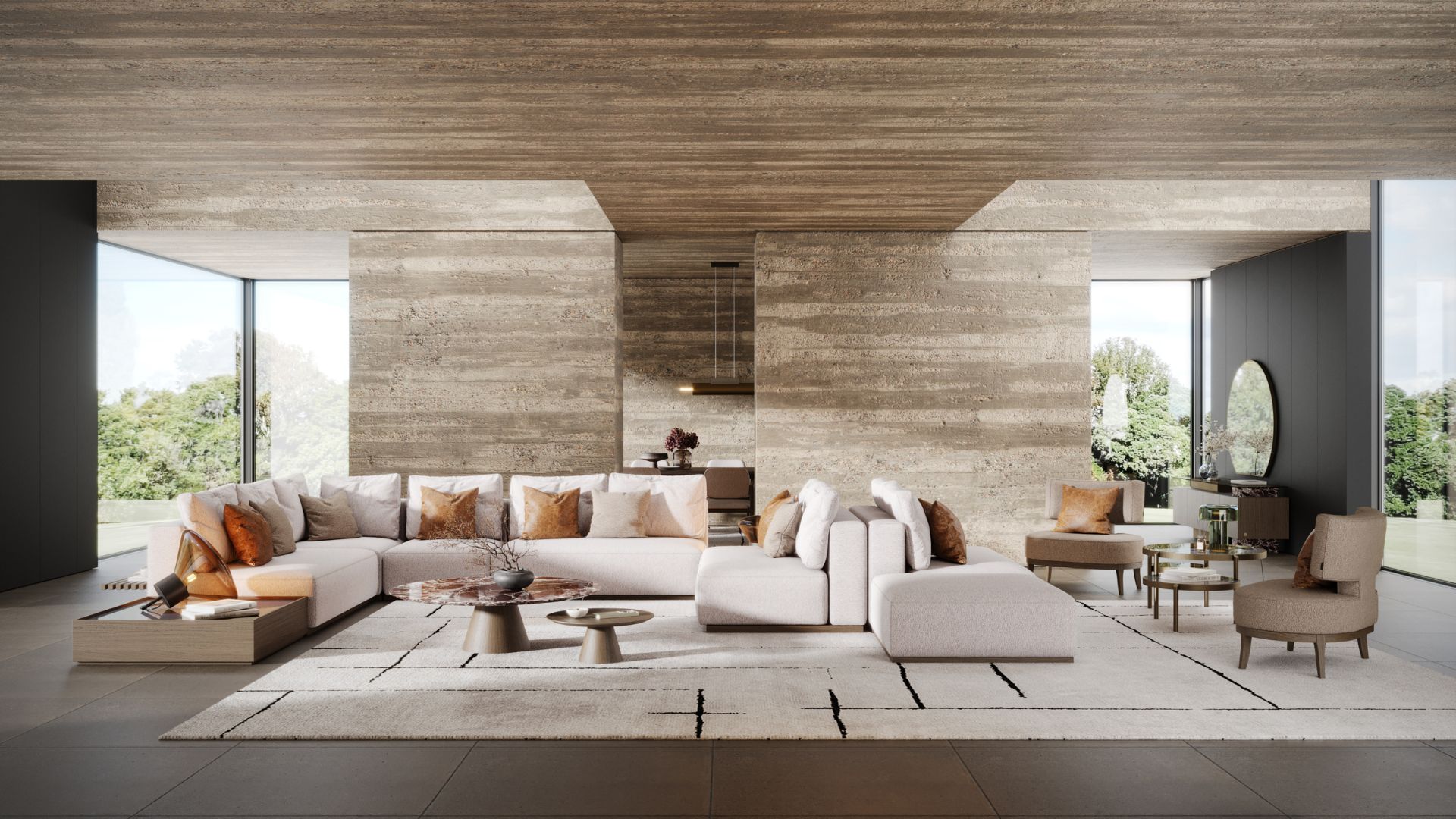
Modern cities are no longer defined only by geography, infrastructure, or population density. Instead, they are increasingly shaped by digital connectivity, flexible work arrangements, and global mobility. Urban life today is a hybrid experience where physical spaces and digital ecosystems intersect, creating new opportunities for how people live, work, and interact.
At the center of this transformation is the rise of remote work and the digital nomad lifestyle. As technology continues to evolve, individuals are no longer tied to a single office or even a single country. This shift has redefined what it means to “live in a city,” opening the door to a more fluid and experience-driven way of life.
The Transformation of Urban Living
Cities have always been engines of innovation. From industrial revolutions to modern tech hubs, urban centers attract people seeking opportunity and advancement. However, the 21st century has introduced a new layer to this evolution: digital independence.
Today, professionals can work from anywhere with a stable internet connection. This flexibility has led to a re-evaluation of urban priorities. Instead of choosing cities solely for job availability, people now consider lifestyle factors such as affordability, cultural vibrancy, walkability, and access to community spaces.
This transformation has also pushed cities to compete on livability rather than just economic opportunity. As a result, urban planning increasingly focuses on sustainability, digital infrastructure, and quality of life improvements.
The Rise of Digital Nomad Culture
The digital nomad movement represents one of the most significant cultural shifts in modern work history. Freelancers, entrepreneurs, and remote employees are embracing location independence, traveling between cities while maintaining their professional responsibilities.
Cities such as Lisbon, Medellín, Chiang Mai, and Bali have become global hubs for remote workers. These destinations offer not only affordability but also strong expat communities, coworking spaces, and a lifestyle that balances productivity with exploration.
Digital nomad culture is not just about travel; it is about intentional living. Many individuals choose environments that inspire creativity, reduce stress, and offer exposure to new cultures. This shift reflects a broader change in values, where experiences are prioritized over traditional career stability.
At the same time, urban destinations are adapting to this trend by offering digital nomad visas, improved internet infrastructure, and community-based workspaces designed to foster collaboration among international professionals.
Technology and the Reinvention of City Experiences
Technology plays a central role in shaping modern urban life. From navigation apps and ride-sharing platforms to digital banking and online marketplaces, everyday city experiences are increasingly mediated by technology.
One of the most influential forces in this transformation is social media. Platforms not only connect individuals but also shape travel behavior, consumer decisions, and cultural trends. Viral content can rapidly turn unknown places into global hotspots.
This phenomenon is closely tied to user engagement patterns and algorithm-driven content consumption. Researchers and digital culture analysts have examined why users become Addicted to TikTok, highlighting how short-form video content reshapes attention spans and influences behavior. In urban environments, this translates into shifting patterns of discovery, where digital trends often dictate which cafés, neighborhoods, or experiences gain popularity.
The impact is visible in cities worldwide: murals become tourist attractions overnight, hidden restaurants become fully booked after a viral post, and local businesses adapt their marketing strategies to align with digital visibility.
Communication Shifts and Generation Z Behavior
Communication patterns are also undergoing significant change, particularly among younger generations. Traditional phone calls, once a primary form of communication, are increasingly being replaced by text-based messaging, voice notes, and asynchronous platforms.
This shift is not merely a preference but reflects deeper cultural and psychological changes in how people interact with technology. Many members of Generation Z prefer communication methods that allow them to control timing, tone, and social pressure.
Discussions around Gen z phone call trends with link highlight how real-time voice communication is often perceived as intrusive or inefficient. Instead, digital natives gravitate toward platforms that provide flexibility and reduce the need for immediate response.
For urban environments, this shift influences workplace communication, customer service expectations, and even social interaction patterns in coworking spaces and shared living environments.
Coworking Spaces and the New Urban Community
As remote work becomes more widespread, coworking spaces have emerged as essential components of modern cities. These spaces are more than just offices; they function as social hubs where professionals from different industries and countries come together.
Coworking environments provide structure for remote workers who might otherwise feel isolated. They also foster collaboration, networking, and community building. In many cities, coworking spaces host events, workshops, and networking sessions that help integrate newcomers into the local ecosystem.
Beyond coworking, coliving spaces have also gained popularity. These shared living arrangements combine accommodation with community experiences, making it easier for digital nomads to connect with like-minded individuals while traveling.
Hidden Urban Gems and Local Experiences
One of the most appealing aspects of modern city life is the ability to discover hidden gems beyond mainstream tourist attractions. Local cafés, independent bookstores, street markets, and neighborhood art spaces often provide more authentic cultural experiences than popular landmarks.
Digital nomads and long-term travelers are particularly well-positioned to explore these spaces. Unlike short-term visitors, they have the time to engage with local communities, build relationships, and understand the cultural fabric of a city.
This deeper engagement contributes to a more meaningful urban experience. Cities are not just destinations; they become living ecosystems of stories, people, and shared experiences.
Challenges of the Digital Urban Lifestyle
While modern urban living offers flexibility and opportunity, it also presents challenges. Constant mobility can lead to a lack of stability, difficulty forming long-term relationships, and challenges in maintaining routines.
Remote workers may also experience burnout due to blurred boundaries between work and personal life. Without traditional office structures, some individuals struggle with time management and isolation.
Cities themselves face challenges in adapting to this new demographic. Housing affordability, infrastructure strain, and cultural integration are ongoing issues that require careful planning and policy innovation.
The Future of Cities and Global Mobility
Looking ahead, cities will continue to evolve in response to technological and cultural shifts. Smart infrastructure, sustainable development, and digital integration will play key roles in shaping urban environments.
At the same time, human connection will remain central. Despite technological advancements, people still seek community, belonging, and shared experiences. The most successful cities will be those that balance innovation with livability.
Digital nomads, remote workers, and global creatives are already influencing how cities design public spaces, transportation systems, and community initiatives. Their expectations are pushing urban centers toward more flexible, inclusive, and experience-driven models of living.
Conclusion
Modern urban life is defined by movement, connectivity, and adaptability. The combination of remote work, digital culture, and global mobility has fundamentally changed how people interact with cities.
From coworking spaces and hidden local spots to shifting communication habits and evolving work patterns, cities are becoming more dynamic than ever before. As this transformation continues, urban life will increasingly reflect a balance between digital convenience and authentic human experience.
In this rapidly changing landscape, platforms like The City Theory capture the essence of modern living—where cities are not just places we inhabit, but experiences we actively shape and explore.

Salut. Numele meu este Daniliuc Marcel Catalin. Mă consider o persoană melancolică iar, de cele mai multe ori, starea mea de spirit este influențată de poveștile auzite, cărțile citite, filmele văzute etc.