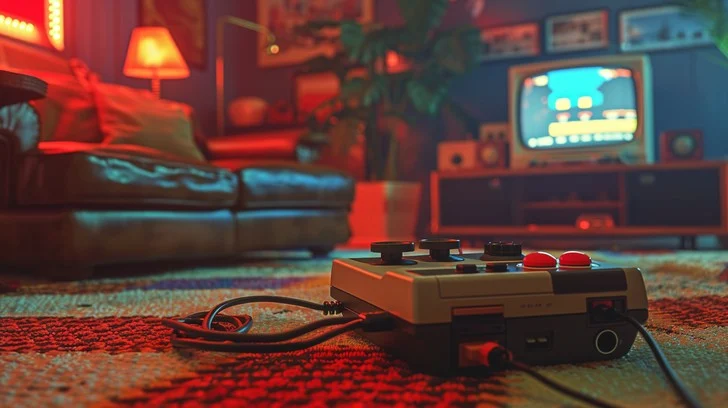
I grew up with retro games. Pixelated worlds, limited soundtracks, and clunky controls were not flaws back then—they were simply the language of games. Years later, when modern titles started feeling overwhelming with endless updates and monetization, I found myself reinstalling old classics. What truly reignited my passion, however, wasn’t nostalgia alone, but mods.
My first real experience with modding a retro game was both accidental and transformative. I installed a simple graphical enhancement for a 90s-era RPG, expecting little more than smoother sprites. Instead, I discovered an entirely new way to engage with a familiar world. The game felt the same, yet different—faithful to its roots while benefiting from modern creativity. That was the moment I realized why returning to classic games with mods is so rewarding.
One of the most striking aspects of retro game mods is how they respect the original design philosophy. Unlike modern remasters that often overwrite the past, mods tend to enhance rather than replace. For example, quality-of-life modifications can fix outdated save systems, rebalance unfair difficulty spikes, or improve controls for modern hardware. These changes don’t erase the original challenge; they simply make it more accessible. Exploring communities centered on modstalgia helped me understand how deeply fans care about preserving the soul of these titles.
Beyond technical improvements, content mods are where creativity truly shines. I’ve played retro platformers with entirely new levels, story-driven mods that expand lore never fully explored by the original developers, and even crossover experiments that blend multiple classics into one experience. These modifications feel like alternate timelines—what the game could have been if time, technology, or budgets had allowed.
What surprised me most was the emotional impact. Revisiting a childhood favorite with a carefully crafted mod feels like reconnecting with an old friend who has grown alongside you. The familiarity is comforting, but the new elements keep curiosity alive. It’s no longer just about replaying memories; it’s about rediscovering them.
Another reason mods make retro games worth revisiting is community. Modders are often unpaid enthusiasts driven purely by passion. Reading patch notes, following development logs, or simply browsing and choosing which enhancements to try can be as engaging as playing the game itself. When I want to explore what others have created, I usually view mods not just for downloads, but for inspiration and discussion.
In the end, modding retro games isn’t about fixing something broken. It’s about extending the life of games that still matter. Mods allow classics to evolve without losing their identity, proving that great design never truly becomes obsolete. For me, returning to retro games through mods isn’t an act of nostalgia—it’s a reminder of why I fell in love with gaming in the first place.

Salut. Numele meu este Daniliuc Marcel Catalin. Mă consider o persoană melancolică iar, de cele mai multe ori, starea mea de spirit este influențată de poveștile auzite, cărțile citite, filmele văzute etc.